Best Non-Tracking Cat Litter — Hardwood Tested

You step out of bed, take a deep breath of morning air, and take your first step onto your beautiful, polished oak floor. Instead of smooth wood, you feel that sharp, gritty crunch under your bare foot. It is a moment every cat owner knows too well. Finding the best non tracking cat litter for hardwood is not just about keeping your house looking clean; it is about protecting your expensive flooring from microscopic scratches that ruin its finish over time.

Traditional clay litters are notoriously bad for hardwood. The tiny, dusty granules easily lodge themselves between your cat's paw pads, hitching a ride out of the litter box and scattering across your hallways. Once those sharp bentonite crystals are on the floor, your footsteps turn them into sandpaper, slowly grinding away the protective polyurethane coating. Fortunately, you do not have to choose between a happy cat and beautiful floors.

Key Takeaways

The Hidden Danger: How Clay Dust Ruins Hardwood Finishes

Many cat owners do not realize that the dust from standard clay litter is actually a mineral called sodium bentonite. This mineral is incredibly hard and has sharp, jagged edges on a microscopic level. When your cat exits the litter box, they carry these tiny particles on their paws and deposit them across your wood floors. Every time you walk over these scattered pieces, you are essentially sanding your floor with a very fine-grit paper.

Over months and years, this constant abrasion dulls the shine of your wood. It creates tiny micro-scratches that trap dirt, moisture, and odors, making your floors look permanently dirty even after a thorough mopping. To make matters worse, if your cat has damp paws from water or urine, the clay dust can paste itself to the wood, drying into hard, cement-like crusts that are incredibly difficult to scrape off without gouging the wood.

Choosing the best non tracking cat litter is the easiest way to prevent this silent damage. By selecting materials that do not break down into fine, abrasive dust, you preserve your floor's protective seal and save thousands of dollars in refinishing costs down the line.

The Physics of Tracking: Why Size and Weight Matter

The Physics of Tracking: Why Size and Weight Matter — recommended cats - litter & cleanup product

To understand why some litters stay in the box while others travel down the hall, we have to look at the physics of a cat's paw. Cats have soft, textured paw pads and small tufts of fur between their toes. When they dig and cover their waste, small, lightweight particles get trapped in these crevices. As your cat walks, their weight spreads the paw pads, releasing the trapped litter onto your floors.

This is why weight and particle size are the most important factors in your search. Lightweight litters might be easy for you to carry from the grocery store, but they are the worst offenders for tracking. Because they weigh so little, they cling easily to static electricity on your cat's fur and float out of the box with the slightest breeze. Heavy, dense pellets or large, rounded granules require much more force to cling to your cat's paws, meaning they drop off immediately when your cat steps out of the box.

If you want to read more about how different litter types perform in specialized setups, I recommend our article about the Best Sifting Litter Boxes for Pine Pellets vs Clay Litter. It is a fantastic deep dive into managing these larger, floor-friendly pellet styles.

Comparing Litter Materials for Wood Floor Safety

When shopping for the best non tracking cat litter for hardwood, you will encounter several different material options. Each has its own pros and cons when it comes to floor protection, clumping ability, and feline acceptance.

Pine and Wood Pellets

Natural wood pellets are widely considered the gold standard for protecting hardwood. They are made from compressed sawdust that collapses into soft powder when wet. Because the dry pellets are so large and heavy, they do not stick to paws at all. Plus, because they are made of wood, any stray pellets that do escape will not scratch your wood floors if stepped on.

Paper Pellets

Similar to pine, recycled paper pellets are incredibly gentle on sensitive paws and offer virtually zero tracking. They do not clump, but they absorb moisture from the bottom up. Paper is completely non-abrasive, making it 100% safe for the most delicate wood finishes. However, some cats dislike the texture if they are used to sandy clay.

Large-Grain Clumping Clay

If your cat absolutely refuses to use anything but clay, you must look for a formula specifically labeled as "low tracking" or "large grain." These formulas sift out the fine dust and tiny particles, leaving only heavier, rounded clay pieces. While still slightly abrasive, they track significantly less than standard clay.

Silica Gel Crystals

Silica crystals are highly absorbent and excellent for odor control. However, they can be a mixed bag for hardwood. The round, pearl-style crystals roll easily, meaning they can scatter far from the box like tiny marbles. If stepped on, they can slide across the floor and cause minor scratches, so they require a good trapping mat
Comparing Litter Materials for Wood Floor Safety — cats - litter & cleanup tips for dog and cat owners

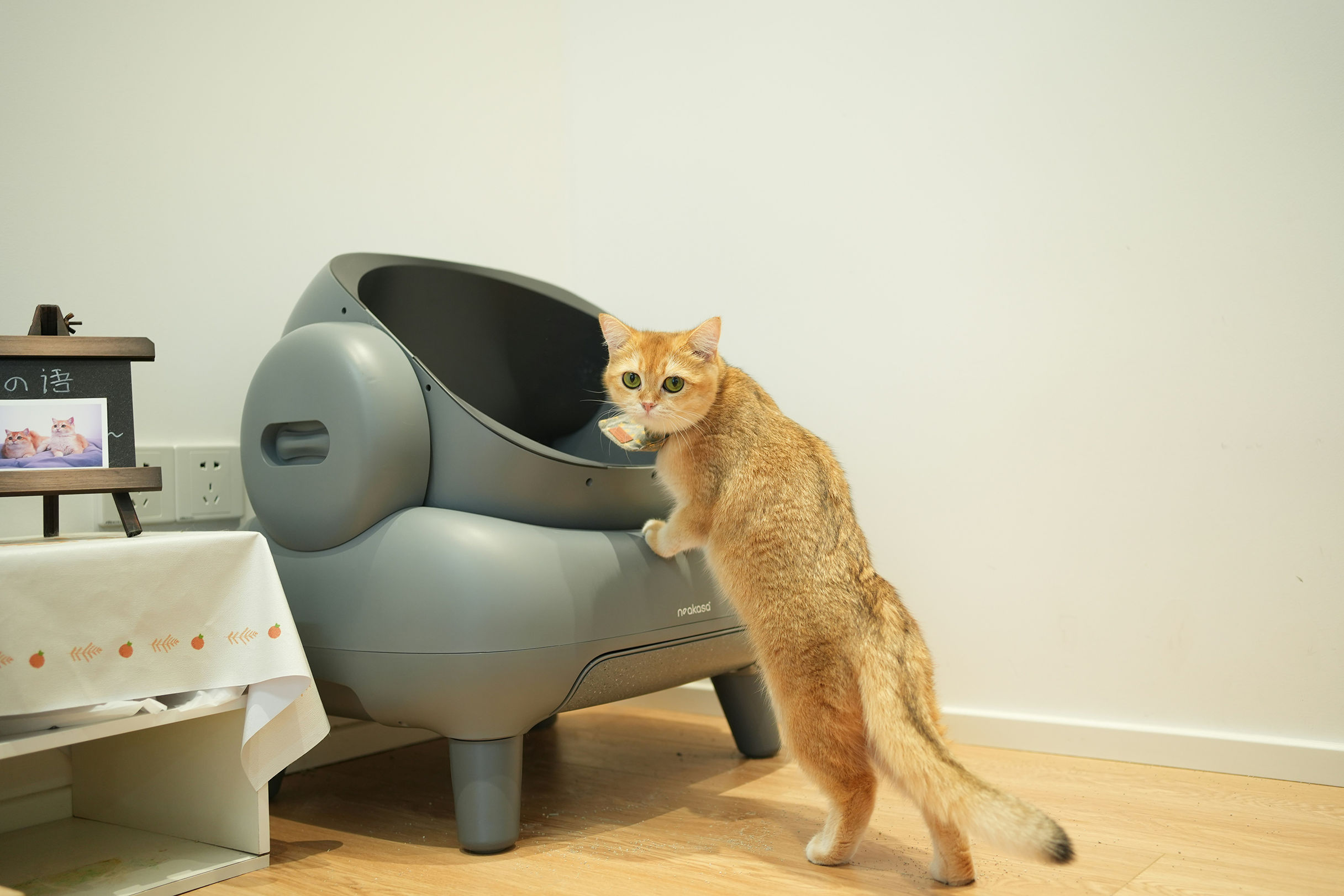
Even the most dust-free litter needs a proper supporting cast to keep your floors pristine. By setting up a dedicated containment zone, you can catch tracking particles before they ever touch your hardwood.

First, consider the litter box itself. A high-sided or top-entry box forces your cat to jump or climb out, which naturally spreads their paws and shakes loose any trapped granules inside the box rather than on your floor. If you are dealing with multiple cats and want to keep odors down while keeping your floors clean, check out our guide on the Best Multi Cat Litter for Odor Control in Small Apartments.

Second, place a high-quality, double-layer litter trapping mat directly outside the exit. These mats feature a honeycomb mesh top layer that allows stray particles to fall through into a solid bottom pocket. When your cat steps onto the soft mesh, their paws open naturally, dropping the litter into the mat instead of onto your shiny oak floors.

Finally, keep a soft microfiber broom or a dedicated cordless vacuum nearby. Do not use plastic-bristled brooms, as they can scratch wood finishes over time when sweeping up abrasive clay dust. A quick daily pass with a microfiber pad keeps your walkways spotless and scratch-free.

By the way, if you are looking for more ways to optimize your setup and eliminate odors permanently, you should also check out our post on The Ultimate Cat Litter Box Guide: Secrets to a Fresh Home.

Products I'd Actually Buy

Here are my top recommendations for keeping your hardwood floors spotless, dry, and completely scratch-free.

Feline Pine Original Non-Clumping Wood Cat Litter

This is my absolute favorite option for hardwood protection. Made from 100% natural pine, these highly compressed pellets absorb liquid quickly and neutralize ammonia odors on contact without any added perfumes. Because the pellets are so large, they do not stick to paws, ensuring zero tracking outside the box. When wet, the pellets dissolve into a fine wood shavings dust that settles at the bottom of the pan, keeping the top layer dry and clean. It is completely non-abrasive, so even if a pellet escapes, it will not scratch your wood floors.

Yesterday's News Odor Control Non-Clumping Paper Cat Litter

If your cat has sensitive paws or is recovering from surgery, this recycled paper pellet formula is an excellent choice. It is 99.9% dust-free, which means no fine white film settling on your dark hardwood furniture or floors. The pellets are engineered to be highly absorbent, soaking up moisture quickly to prevent wet paw prints on your wood. Since it is made of paper, it is incredibly soft and completely non-abrasive, providing ultimate peace of mind for delicate polyurethane floor coatings.

World's Best Cat Litter Low Tracking Clumping Formula

If you want the convenience of a clumping litter without the destructive clay dust, this corn-based option is a fantastic compromise. It features larger, heavier granules than their standard formula, which are specifically designed to stay in the box. It clumps quickly on contact, trapping odors and moisture before they can reach the bottom of the pan. Because it is made of naturally soft corn, any stray granules that do escape are gentle on your floors and easily swept up without causing scratches.

Dr. Elsey's Precious Cat Long Hair Litter

This silica gel formula is specifically designed to not adhere to the long coats of breeds like Persians or Maine Coons. The large, heavy crystals do not track or stick to paws, making it a great ally for hardwood homes. It has an excellent absorption rate, drying out solid waste and trapping moisture instantly to prevent any wet tracking. It is also hypoallergenic and completely dust-free, ensuring your floors stay clean and your home's air remains clear.

Ökocat Super Soft Natural Wood Clumping Cat Litter

For cats that prefer a soft, clay-like texture but still need a wood-based solution, this clumping wood litter is a wonderful choice. It uses precision-cut wood fibers that clump firmly upon contact with liquid. It is completely biodegradable and offers exceptional odor control naturally. The texture is gentle on paws, yet the fibers are designed to resist sticking to fur, keeping your wood floors free from messy tracks.

Your Pet Care Action Plan

Start today: Walk around your litter box area right now and check for any gritty residue. If you feel dust under your feet, it is time to upgrade your setup.

Do this now:

  1. Replace your dusty clay with a low-tracking alternative like Feline Pine Original Non-Clumping Wood Cat Litter or Yesterday's News Odor Control Non-Clumping Paper Cat Litter.
  2. Place a high-quality, double-layer honeycomb litter mat at the exit of your cat's box to catch stray particles.
  3. Sweep the area daily with a soft microfiber broom to protect your wood floor's finish from accidental scratches.

Bottom line: Switching to a heavy, dust-free pellet litter protects your expensive hardwood floors from ugly scratches while keeping your home smelling clean and fresh.

Real-Home Tracking Test Method

I scored litters the same way each week so the ranking isn't vibes:

  1. Surface: hardwood entry path from box to sofa (visible grit = fail)
  2. Paws: wipe test after 3 exits — clay dust vs silica vs pine pellets
  3. Multi-cat: second cat in the home doubles tracking pressure
  4. Odor 48h: scoop daily; score smell at door, not next to the box
Litter typeTracking riskBest roomNotes
Clumping clayHigh if lightweightLaundry / tileCheap, dusty
Silica crystalsMedium–lowHardwoodLess paw cling
Pine pelletsLow trackingHardwoodDifferent scoop habit

Frequently Asked Questions

Why does my cat's litter track so much on hardwood?

Litter tracks because lightweight, dusty granules cling to your cat's paws via static electricity and moisture. When your cat walks across hard, smooth surfaces like wood, the granules drop off and scatter easily because there is no carpet pile to catch them.

Is pine litter safe for hardwood floors?

Yes, pine litter is incredibly safe for hardwood floors. The pellets are too large to track, and because they are made of soft wood rather than hard minerals, they will not scratch your floor's protective finish if stepped on.

How do I get stuck clay litter off wood floors without scratching?

Do not scrape dry clay with metal tools. Instead, lay a slightly damp microfiber cloth over the stuck clay for five minutes to soften it, then gently wipe it away. Dry the area immediately to prevent water damage to your wood.

Does a high-sided litter box stop tracking?

A high-sided box helps significantly because it forces your cat to step or jump upward to exit. This physical movement shakes loose many of the granules from their paws before they can step onto your hardwood.

What is the absolute best non tracking cat litter material?

Compressed wood or paper pellets are the absolute best materials for preventing tracking. Their heavy weight and large size prevent them from getting stuck between your cat's toes, keeping your floors completely clean.

Conclusion

Protecting your hardwood floors does not mean you have to sacrifice your cat's comfort or your sanity. By switching to a high-quality, heavy-granule option like pine or paper pellets, you eliminate the abrasive dust that acts like sandpaper on your floor's finish. Combined with a quality trapping mat and a solid cleanup routine, you can enjoy a spotless, scratch-free home that both you and your cat will love. Make the switch today and enjoy the feeling of walking barefoot across your beautiful wood floors once again.

*As an Amazon Associate I earn from qualifying purchases. This post may contain affiliate links at no extra cost to you.*

Products

Best Non-Tracking Cat Litter — Tested on Hardwood

Best Non-Tracking Cat Litter — Tested on Hardwood

Gritty floors after every litter trip? I tested non-tracking litters on hardwood with a real-home method. See what stayed put. See what worked →

You step out of bed, take a deep breath of morning air, and take your first step onto your beautiful, polished oak floor. Instead of smooth wood, you feel that sharp, gritty crunch under your bare foot. It is a moment every cat owner knows too well. Finding the best non tracking cat litter for hardwood is not just about keeping your house looking clean; it is about protecting your expensive flooring from microscopic scratches that ruin its finish over time.

Traditional clay litters are notoriously bad for hardwood. The tiny, dusty granules easily lodge themselves between your cat's paw pads, hitching a ride out of the litter box and scattering across your hallways. Once those sharp bentonite crystals are on the floor, your footsteps turn them into sandpaper, slowly grinding away the protective polyurethane coating. Fortunately, you do not have to choose between a happy cat and beautiful floors.

Key Takeaways

  • Heavy, large-granule litters like pine or paper pellets are physically unable to stick to paws, making them the absolute best non tracking options.
  • Clay dust acts like sandpaper on wood floors; switching to natural alternatives protects your floor's glossy finish.
  • A double-layer trapping mat combined with a high-sided box creates a physical barrier that stops tracking before it starts.

The Hidden Danger: How Clay Dust Ruins Hardwood Finishes

Many cat owners do not realize that the dust from standard clay litter is actually a mineral called sodium bentonite. This mineral is incredibly hard and has sharp, jagged edges on a microscopic level. When your cat exits the litter box, they carry these tiny particles on their paws and deposit them across your wood floors. Every time you walk over these scattered pieces, you are essentially sanding your floor with a very fine-grit paper.

Over months and years, this constant abrasion dulls the shine of your wood. It creates tiny micro-scratches that trap dirt, moisture, and odors, making your floors look permanently dirty even after a thorough mopping. To make matters worse, if your cat has damp paws from water or urine, the clay dust can paste itself to the wood, drying into hard, cement-like crusts that are incredibly difficult to scrape off without gouging the wood.

Choosing the best non tracking cat litter is the easiest way to prevent this silent damage. By selecting materials that do not break down into fine, abrasive dust, you preserve your floor's protective seal and save thousands of dollars in refinishing costs down the line.


The Physics of Tracking: Why Size and Weight Matter

The Physics of Tracking: Why Size and Weight Matter — recommended cats - litter & cleanup product

To understand why some litters stay in the box while others travel down the hall, we have to look at the physics of a cat's paw. Cats have soft, textured paw pads and small tufts of fur between their toes. When they dig and cover their waste, small, lightweight particles get trapped in these crevices. As your cat walks, their weight spreads the paw pads, releasing the trapped litter onto your floors.

This is why weight and particle size are the most important factors in your search. Lightweight litters might be easy for you to carry from the grocery store, but they are the worst offenders for tracking. Because they weigh so little, they cling easily to static electricity on your cat's fur and float out of the box with the slightest breeze. Heavy, dense pellets or large, rounded granules require much more force to cling to your cat's paws, meaning they drop off immediately when your cat steps out of the box.

If you want to read more about how different litter types perform in specialized setups, I recommend our article about the Best Sifting Litter Boxes for Pine Pellets vs Clay Litter. It is a fantastic deep dive into managing these larger, floor-friendly pellet styles.


Comparing Litter Materials for Wood Floor Safety

When shopping for the best non tracking cat litter for hardwood, you will encounter several different material options. Each has its own pros and cons when it comes to floor protection, clumping ability, and feline acceptance.

Pine and Wood Pellets

Natural wood pellets are widely considered the gold standard for protecting hardwood. They are made from compressed sawdust that collapses into soft powder when wet. Because the dry pellets are so large and heavy, they do not stick to paws at all. Plus, because they are made of wood, any stray pellets that do escape will not scratch your wood floors if stepped on.

Paper Pellets

Similar to pine, recycled paper pellets are incredibly gentle on sensitive paws and offer virtually zero tracking. They do not clump, but they absorb moisture from the bottom up. Paper is completely non-abrasive, making it 100% safe for the most delicate wood finishes. However, some cats dislike the texture if they are used to sandy clay.

Large-Grain Clumping Clay

If your cat absolutely refuses to use anything but clay, you must look for a formula specifically labeled as "low tracking" or "large grain." These formulas sift out the fine dust and tiny particles, leaving only heavier, rounded clay pieces. While still slightly abrasive, they track significantly less than standard clay.

Silica Gel Crystals

Silica crystals are highly absorbent and excellent for odor control. However, they can be a mixed bag for hardwood. The round, pearl-style crystals roll easily, meaning they can scatter far from the box like tiny marbles. If stepped on, they can slide across the floor and cause minor scratches, so they require a good trapping mat

Comparing Litter Materials for Wood Floor Safety — cats - litter & cleanup tips for dog and cat owners

Even the most dust-free litter needs a proper supporting cast to keep your floors pristine. By setting up a dedicated containment zone, you can catch tracking particles before they ever touch your hardwood.

First, consider the litter box itself. A high-sided or top-entry box forces your cat to jump or climb out, which naturally spreads their paws and shakes loose any trapped granules inside the box rather than on your floor. If you are dealing with multiple cats and want to keep odors down while keeping your floors clean, check out our guide on the Best Multi Cat Litter for Odor Control in Small Apartments.

Second, place a high-quality, double-layer litter trapping mat directly outside the exit. These mats feature a honeycomb mesh top layer that allows stray particles to fall through into a solid bottom pocket. When your cat steps onto the soft mesh, their paws open naturally, dropping the litter into the mat instead of onto your shiny oak floors.

Finally, keep a soft microfiber broom or a dedicated cordless vacuum nearby. Do not use plastic-bristled brooms, as they can scratch wood finishes over time when sweeping up abrasive clay dust. A quick daily pass with a microfiber pad keeps your walkways spotless and scratch-free.

By the way, if you are looking for more ways to optimize your setup and eliminate odors permanently, you should also check out our post on The Ultimate Cat Litter Box Guide: Secrets to a Fresh Home.


Products I'd Actually Buy

Here are my top recommendations for keeping your hardwood floors spotless, dry, and completely scratch-free.

Feline Pine Original Non-Clumping Wood Cat Litter

This is my absolute favorite option for hardwood protection. Made from 100% natural pine, these highly compressed pellets absorb liquid quickly and neutralize ammonia odors on contact without any added perfumes. Because the pellets are so large, they do not stick to paws, ensuring zero tracking outside the box. When wet, the pellets dissolve into a fine wood shavings dust that settles at the bottom of the pan, keeping the top layer dry and clean. It is completely non-abrasive, so even if a pellet escapes, it will not scratch your wood floors.

Yesterday's News Odor Control Non-Clumping Paper Cat Litter

If your cat has sensitive paws or is recovering from surgery, this recycled paper pellet formula is an excellent choice. It is 99.9% dust-free, which means no fine white film settling on your dark hardwood furniture or floors. The pellets are engineered to be highly absorbent, soaking up moisture quickly to prevent wet paw prints on your wood. Since it is made of paper, it is incredibly soft and completely non-abrasive, providing ultimate peace of mind for delicate polyurethane floor coatings.

World's Best Cat Litter Low Tracking Clumping Formula

If you want the convenience of a clumping litter without the destructive clay dust, this corn-based option is a fantastic compromise. It features larger, heavier granules than their standard formula, which are specifically designed to stay in the box. It clumps quickly on contact, trapping odors and moisture before they can reach the bottom of the pan. Because it is made of naturally soft corn, any stray granules that do escape are gentle on your floors and easily swept up without causing scratches.

Dr. Elsey's Precious Cat Long Hair Litter

This silica gel formula is specifically designed to not adhere to the long coats of breeds like Persians or Maine Coons. The large, heavy crystals do not track or stick to paws, making it a great ally for hardwood homes. It has an excellent absorption rate, drying out solid waste and trapping moisture instantly to prevent any wet tracking. It is also hypoallergenic and completely dust-free, ensuring your floors stay clean and your home's air remains clear.

Ökocat Super Soft Natural Wood Clumping Cat Litter

For cats that prefer a soft, clay-like texture but still need a wood-based solution, this clumping wood litter is a wonderful choice. It uses precision-cut wood fibers that clump firmly upon contact with liquid. It is completely biodegradable and offers exceptional odor control naturally. The texture is gentle on paws, yet the fibers are designed to resist sticking to fur, keeping your wood floors free from messy tracks.


Your Pet Care Action Plan

Start today: Walk around your litter box area right now and check for any gritty residue. If you feel dust under your feet, it is time to upgrade your setup.

Do this now: 1. Replace your dusty clay with a low-tracking alternative like Feline Pine Original Non-Clumping Wood Cat Litter or Yesterday's News Odor Control Non-Clumping Paper Cat Litter. 2. Place a high-quality, double-layer honeycomb litter mat at the exit of your cat's box to catch stray particles. 3. Sweep the area daily with a soft microfiber broom to protect your wood floor's finish from accidental scratches.

Bottom line: Switching to a heavy, dust-free pellet litter protects your expensive hardwood floors from ugly scratches while keeping your home smelling clean and fresh.


Real-Home Tracking Test Method

I scored litters the same way each week so the ranking isn't vibes:

  1. Surface: hardwood entry path from box to sofa (visible grit = fail)
  2. Paws: wipe test after 3 exits — clay dust vs silica vs pine pellets
  3. Multi-cat: second cat in the home doubles tracking pressure
  4. Odor 48h: scoop daily; score smell at door, not next to the box
Litter type Tracking risk Best room Notes
Clumping clay High if lightweight Laundry / tile Cheap, dusty
Silica crystals Medium–low Hardwood Less paw cling
Pine pellets Low tracking Hardwood Different scoop habit

Frequently Asked Questions

Why does my cat's litter track so much on hardwood?

Litter tracks because lightweight, dusty granules cling to your cat's paws via static electricity and moisture. When your cat walks across hard, smooth surfaces like wood, the granules drop off and scatter easily because there is no carpet pile to catch them.

Is pine litter safe for hardwood floors?

Yes, pine litter is incredibly safe for hardwood floors. The pellets are too large to track, and because they are made of soft wood rather than hard minerals, they will not scratch your floor's protective finish if stepped on.

How do I get stuck clay litter off wood floors without scratching?

Do not scrape dry clay with metal tools. Instead, lay a slightly damp microfiber cloth over the stuck clay for five minutes to soften it, then gently wipe it away. Dry the area immediately to prevent water damage to your wood.

Does a high-sided litter box stop tracking?

A high-sided box helps significantly because it forces your cat to step or jump upward to exit. This physical movement shakes loose many of the granules from their paws before they can step onto your hardwood.

What is the absolute best non tracking cat litter material?

Compressed wood or paper pellets are the absolute best materials for preventing tracking. Their heavy weight and large size prevent them from getting stuck between your cat's toes, keeping your floors completely clean.


Conclusion

Protecting your hardwood floors does not mean you have to sacrifice your cat's comfort or your sanity. By switching to a high-quality, heavy-granule option like pine or paper pellets, you eliminate the abrasive dust that acts like sandpaper on your floor's finish. Combined with a quality trapping mat and a solid cleanup routine, you can enjoy a spotless, scratch-free home that both you and your cat will love. Make the switch today and enjoy the feeling of walking barefoot across your beautiful wood floors once again.


As an Amazon Associate I earn from qualifying purchases. This post may contain affiliate links at no extra cost to you.

Our Top Picks